Stay informed
SIWI newsletter
Receive SIWI’s latest news, events, reports and jobs directly in your inbox.
You can unsubscribe at any time.

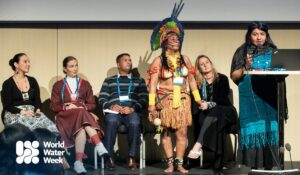
Despite this, Indigenous Peoples are often excluded from decision-making processes that affect their lands, waters, and livelihoods. Weak recognition of rights, limited participation, and governance systems that overlook Indigenous knowledge can undermine both justice and effective water management. Climate impacts, resource pressures, and development decisions frequently intensify these challenges, increasing risks for Indigenous communities and ecosystems alike.
SIWI works to support water governance approaches that recognize Indigenous Peoples as rights holders and knowledge holders. We promote inclusive governance frameworks that respect Indigenous leadership, strengthen participation, and integrate Indigenous knowledge into policy and decision-making processes.
By supporting Indigenous leadership and rights in water governance, SIWI helps ensure more just, resilient, and effective solutions. Governance systems that value Indigenous knowledge and stewardship strengthen ecosystem resilience, support cultural continuity, and improve outcomes for both people and nature.
Projects linked to this area of SIWI’s work