Stay informed
SIWI newsletter
Receive SIWI’s latest news, events, reports and jobs directly in your inbox.
You can unsubscribe at any time.


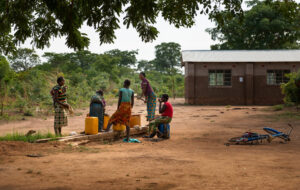
Gender inequality shapes who has access to water services, who bears risk, and who influences decisions. Climate change and water-related extremes often intensify these disparities, increasing workloads, exposure to risk, and vulnerability for women and girls while limiting their ability to shape responses. When gender perspectives are absent from governance, water policies risk reinforcing existing inequalities and missing opportunities for more sustainable outcomes.
SIWI works to advance gender-responsive water governance by promoting inclusive decision-making and strengthening leadership opportunities for women and girls. We support approaches that integrate gender perspectives into water policies, institutions, and governance frameworks, ensuring that decisions reflect diverse experiences and priorities. SIWI helps bring gender equality into the centre of water governance processes.
By strengthening gender equality in water governance, SIWI helps enable more accountable institutions, better-informed decisions, and more equitable outcomes. Governance systems that recognize and value women’s leadership and participation are better equipped to manage water sustainably and to support resilient communities and ecosystems.
Projects linked to this area of SIWI’s work