Stay informed
SIWI newsletter
Receive SIWI’s latest news, events, reports and jobs directly in your inbox.
You can unsubscribe at any time.

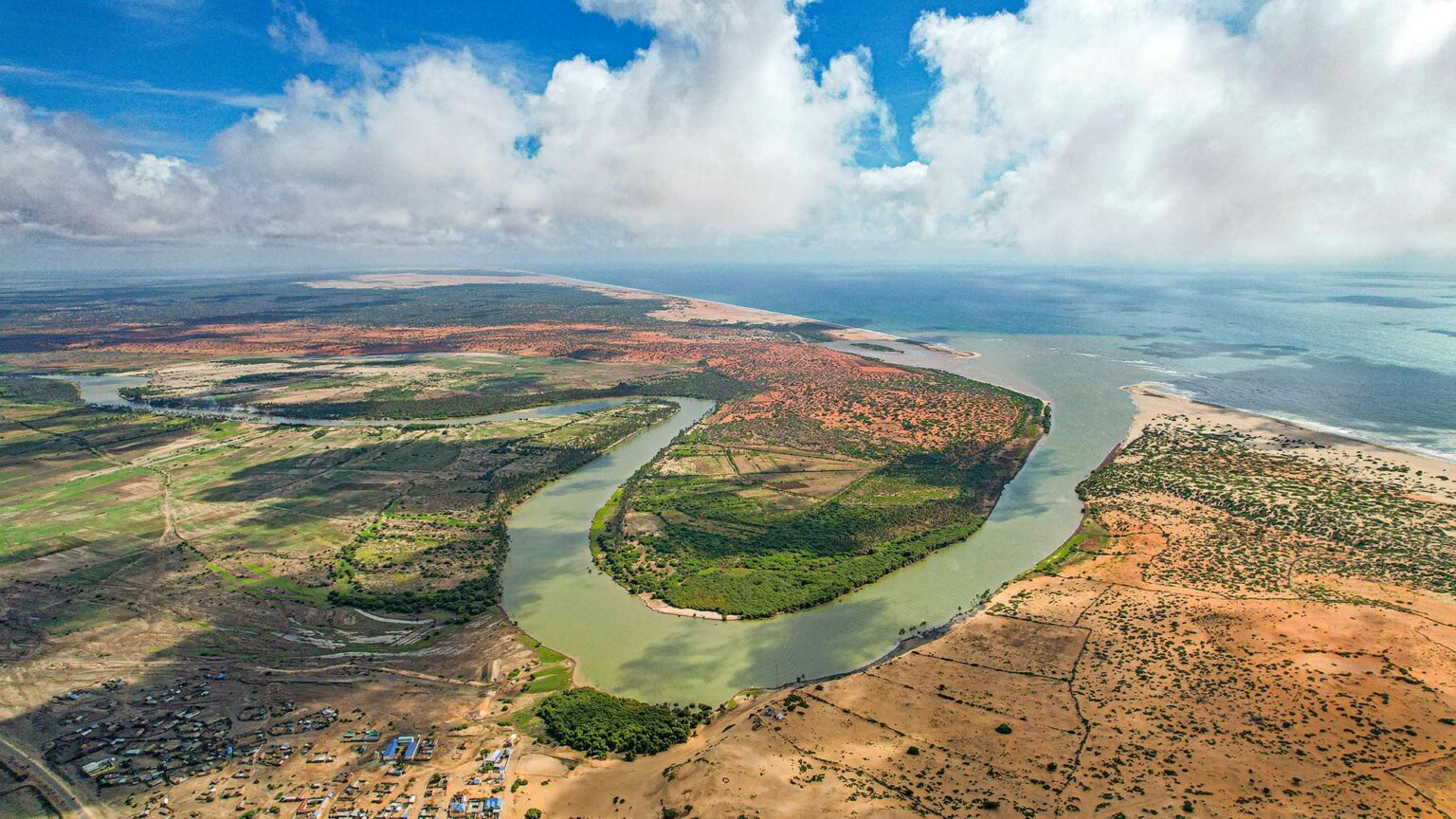
The Juba-Shebelle Basin is a critical transboundary water system in the Horn of Africa, supporting livelihoods, food production, economic development and regional stability across Ethiopia, Somalia and Kenya. Effective water and climate resource management in the basin is therefore essential, yet it remains constrained by fragmented governance, limited data sharing and uneven institutional capacity.
Commissioned by the International Centre for Water Cooperation (ICWC), this study examines the challenges and opportunities for strengthening water management in Ethiopia’s part of the Juba-Shebelle Basin, with a strong emphasis on transboundary cooperation. It identifies key gaps in Ethiopia’s current water governance framework, including insufficient IT infrastructure, weak data-sharing protocols and limited alignment among stakeholders, which together hinder coordinated decision-making.
To address these challenges, the report introduces the IOS-Enabled Knowledge, Information and Data (KID) Supply Chain Collaboration Framework. Grounded in empirical analysis and stakeholder surveys, the framework outlines how strengthening internal capacities—such as digital systems, standardized data platforms and incentive alignment—can enable more effective collaboration both within Ethiopia and with downstream riparian states. By improving trust, coordination and adaptive capacity, the framework offers a scalable approach to integrated water resource management in transboundary basins facing similar pressures.

Senior Advisor
anna.tengberg@siwi.org
+46 (0)760 06 04 06