Stay informed
SIWI newsletter
Receive SIWI’s latest news, events, reports and jobs directly in your inbox.
You can unsubscribe at any time.

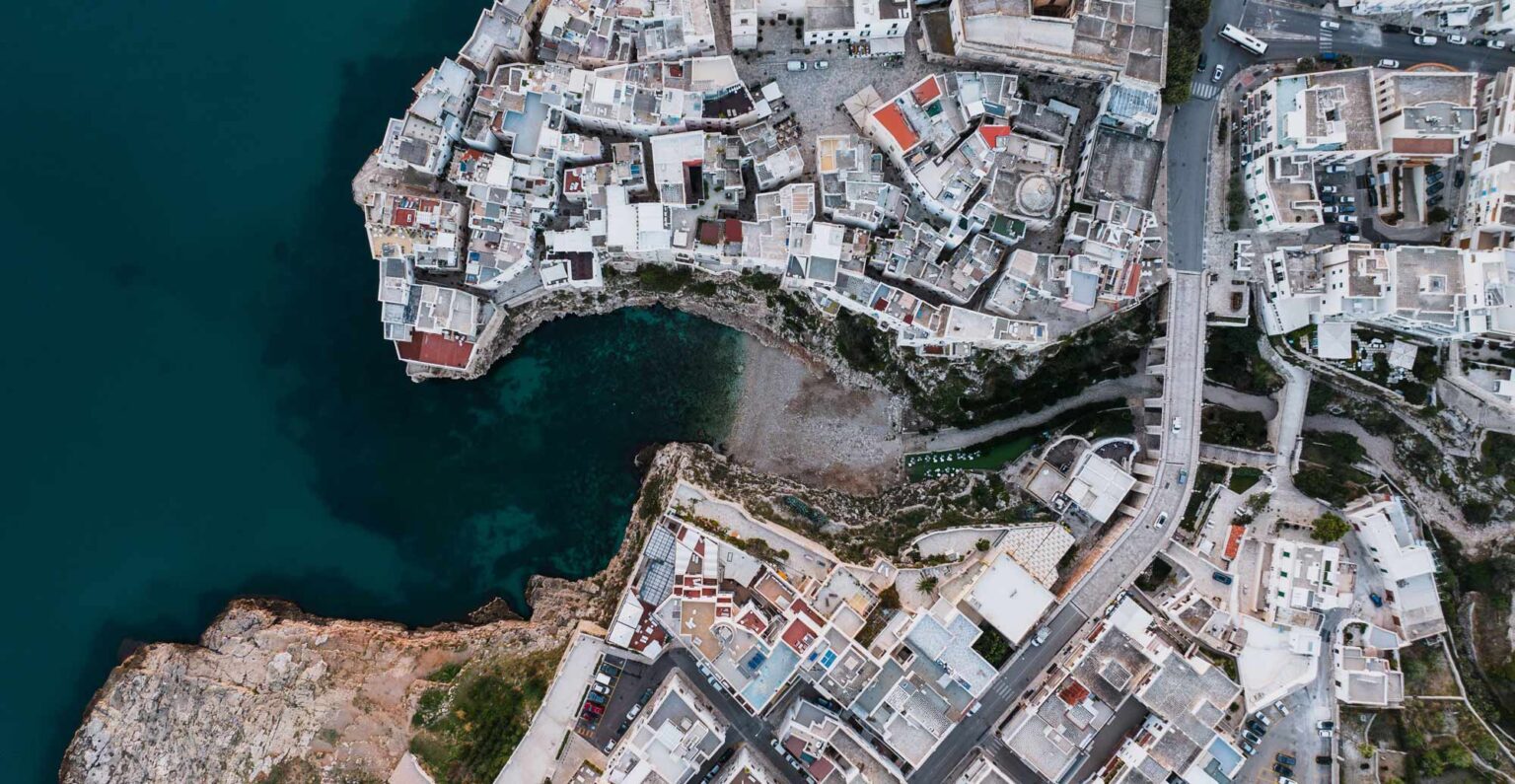
As the triple planetary crisis aggravates, we must move beyond discussing possible solutions and start taking action on the ground. Source-to-sea management has been increasingly recognized across the world as key to decisively addressing development challenges such as climate change, biodiversity loss, and pollution. The aim of this collection of case studies is to continue to encourage the uptake of source-to-sea management by complementing the existing reports, guides, and tools with practical recommendations and lessons learned from the field.

Programme Officer
jose.murillo@siwi.org
+46 72 050 6045

Senior Manager
ruth.mathews@siwi.org
+46 (0)720 50 60 79
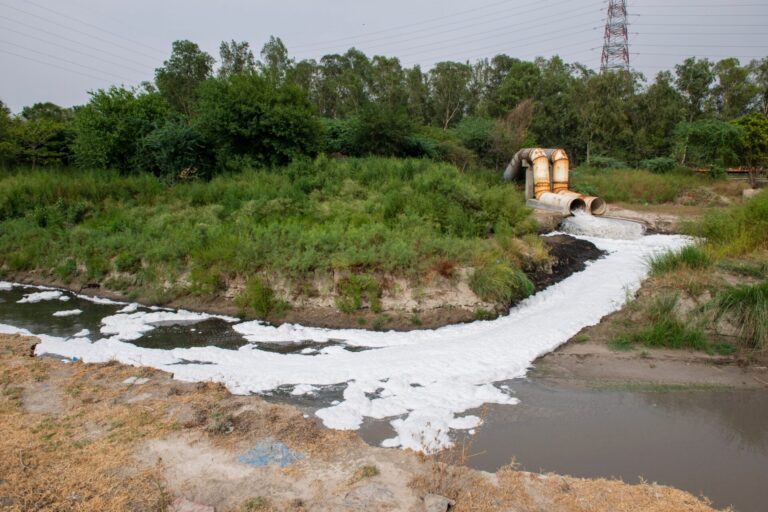
Source-to-sea management recognizes that there are linkages from land, to freshwater, the coasts, and the ocean, creating a continuum from the source to the sea. This source-to-sea continuum is linked by the key flows of: water, biota, sediment, pollutants, materials, and ecosystem services. When any of these are altered in one part of the source-to-sea system, those alterations can have impacts either upstream or downstream of where they occur. Source-to-sea management takes these upstream-downstream linkages into account, it takes a holistic view of the source-to-sea system, recognizing that doing so will result in greater benefits for the system as a whole.
The following map shows the geographical location of the case studies. Use the coloured buttons to filter those that fall within a specific category. Alternatively, all the case studies can be downloaded from the section below.
Readiness level: Early to mid-stage

Readiness level: Early to mid-stage

Readiness level: Mid to advanced stage

Readiness level: Mid to advanced stage
United Nations Development Programme (UNDP)

Race for the Baltic