Stay informed
SIWI newsletter
Receive SIWI’s latest news, events, reports and jobs directly in your inbox.
You can unsubscribe at any time.

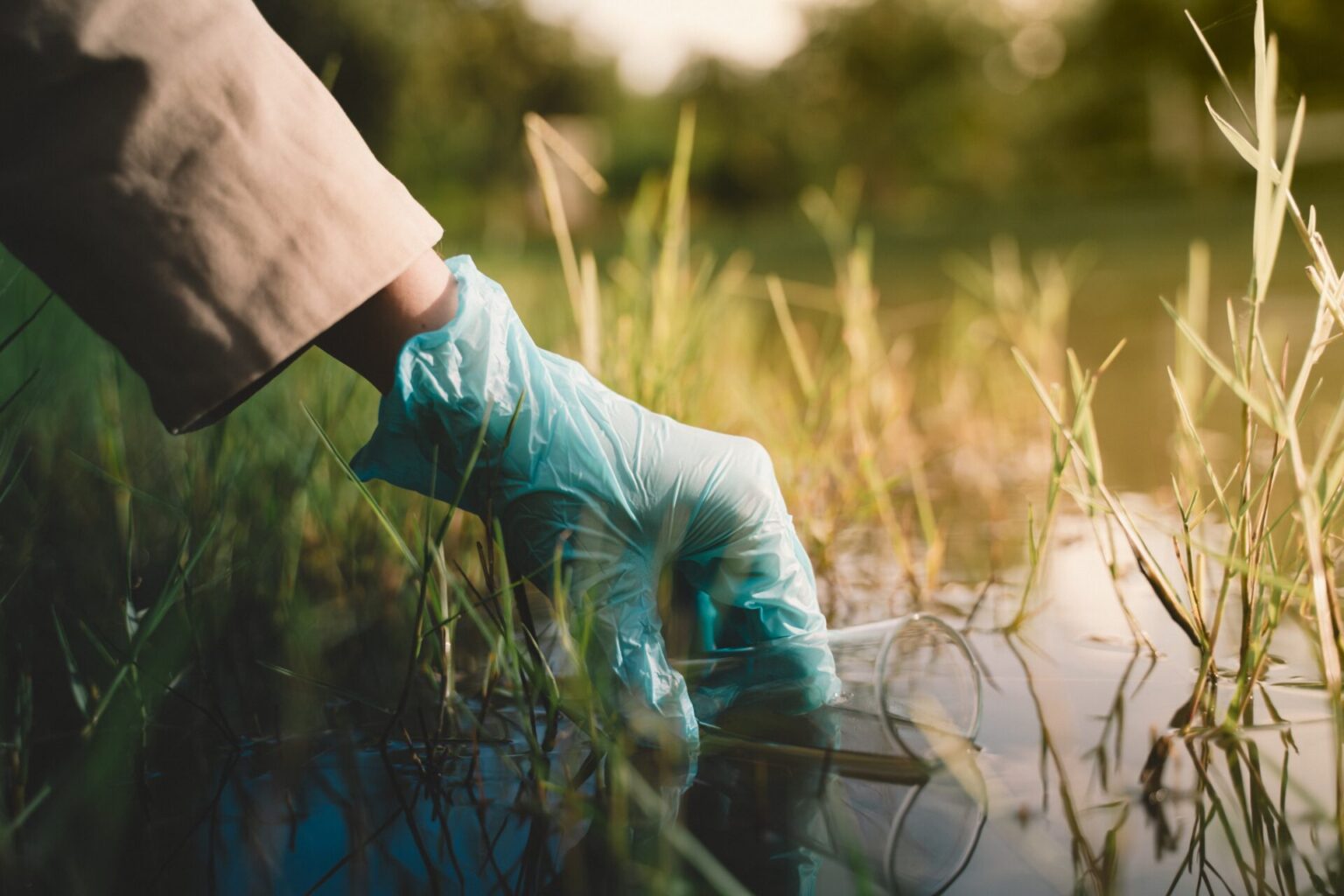
AMR is one of the biggest global health threats for humanity. Behind it is the ability of microbes to develop defense mechanisms against antibiotics and other antimicrobials. The newly released report by the WHO and the UNEP “Guidance on wastewater and solid waste management for manufacturing of antibiotics”, published on 4 September 2024, provides an in-depth analysis of AMR challenges and shows pathways to address them. To learn more about the report, we met with Iris Panorel, Programme Manager at SIWI and one of the three lead consultants for the report.
AMR makes infections harder to treat which poses grave risks particularly for patients with a weakened immune system. It could push millions into poverty in the next decade and cause huge economic damage. AMR is a natural process, just like the COVID-19 virus changes over time, so do bacteria.
However, we can slow this process down by controlling the drivers of AMR. One key driver is wastewater hotspots. High concentrations of antibiotics in the wastewater from manufacturing plants can lead to the development of new drug-resistant bacteria. These bacteria have the potential to spread worldwide and pose a threat to human health.
There are other drivers of AMR such as the usage of antibiotics and antivirals by humans and animals. However, while we cannot stop giving medicine that is vital for human health, we can introduce measures that make production facilities safer. This is why the focus on manufacturing wastewater is so important.
Communications Manager
jakob.schabus@siwi.org
+46 720 50 60 39

Programme Officer
iris.panorel@siwi.org
+46 7 20 50 60 49
[AMR] could push millions into poverty in the next decade and cause huge economic damage.
The report offers clear guidelines for various target audiences that are involved in antibiotics production. It addresses a crucial gap as it is an independent and science-based assessment from the WHO and the UNEP. The report gives a framework that can be applied as a policy. It is the first of its kind and an important step towards safer manufacturing of antibiotics.
The report has three components:
It took several rounds of expert reviewers to come up with a balanced guidance document that is neither too soft nor too harsh.
One challenge in drafting guidance documents is that one cannot only look at the environmental performance of the manufacturers. Antibiotics are essential medicines for addressing human health needs that some countries lack access to. In proposing discharge limits for manufacturers, smaller manufacturers who do not have the capacity to invest in measures to achieve the set targets might be affected. They may face regulations based on the guidance document which goes beyond their capacity. This would in turn jeopardize access to antibiotics.
This is one of the reasons why it is so important to have a thorough and independent review from several experts to produce a solution that balances different risks. In the case of this report, it took several rounds of expert reviewers to come up with a balanced guidance document that is neither too soft nor too harsh.
Everyone who works with antibiotics, third party auditors, public health procurers, governments, health agencies, environmental regulators, policy makers who work with infection prevention and control, as well as manufacturing companies. Importantly, the companies include not only the companies directly producing the active pharmaceutical ingredients (APIs), but also other companies who are buying the APIs for final dosage formulation, as they can also take responsibility for safe production.